
 Before we begin, it is important to acknowledge that the word “women” is being used here to highlight patterns that research and lived experiences frequently identify among women in the workplace and at home. At the same time, these experiences are not exclusive to those who identify as women. People of all genders may experience similar challenges, along with their own unique expectations and stressors. Future articles will explore additional perspectives across different identities.
Many women carry what is often referred to as a high invisible load. This phrase refers to the emotional, mental, and organizational responsibilities that exist behind the scenes of daily life. These tasks are essential to keeping households, workplaces, and relationships functioning smoothly, yet they frequently go unnoticed or overlooked.
Many women feel exhausted even when their responsibilities do not look dramatically different from those around them. The key difference is that much of the work women do is not just physical tasks. It is the mental tracking, emotional management, and anticipatory planning that happen quietly in the background. Think of it as the difference between doing a task and being responsible for making sure the task exists, gets remembered, and ultimately gets done.
You might recognize this feeling if you have ever found yourself mentally running through a list of things that still need to happen while everyone else around you seems relaxed.
For example, cooking a weeknight dinner is a simple, everyday task. Behind the curtain lies the invisible work: noticing which groceries are running low, planning meals for the week, remembering dietary preferences, checking the pantry, coordinating schedules, going to the store, and then making sure someone actually cooks the meal.
Research reflects this pattern as well. Studies from the American Time Use Survey and the Pew Research Center continue to show that women spend significantly more time on unpaid household management and caregiving responsibilities than men, even in households where both partners work full time. Some studies estimate that women still perform roughly 60–65 percent of household coordination and caregiving work on average.
There are three big pieces of the invisible load:
- Mental Load: This refers to constantly keeping track of everything that needs attention. It is the running checklist in the background of the mind. This might include remembering appointments, noticing when household items or work supplies are running low, tracking social obligations, coordinating childcare, planning holidays, or anticipating future needs before they become urgent.
- Emotional Labor: Closely related to the mental load, emotional labor involves managing emotions in order to support those around you and maintain harmony. Historically, women have often been socialized to take on this role both at home and at work. This may include mediating conflict, checking in on coworkers who seem stressed, making sure everyone in a group feels included, or helping family members process difficult situations. In workplaces, emotional labor often appears in subtle ways. Women are frequently the ones asked to smooth tensions during meetings, mentor colleagues, check in on struggling coworkers, or organize morale-building events. While these efforts help teams function well, they are rarely recognized as part of formal job responsibilities.
- Anticipatory Labor: This refers to thinking several steps ahead and preparing for what may come next. Instead of simply responding to problems as they arise, many women feel responsible for preventing them in advance. While this skill can be incredibly valuable, constant forward-thinking can become mentally draining because the brain rarely gets the chance to fully switch off. For many people carrying the invisible load, this mental tracking never fully turns off. Even during moments of rest, the mind may still be quietly planning, remembering, or anticipating what needs attention next.
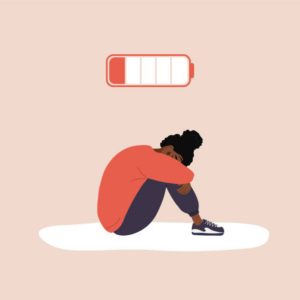
Over time, carrying a high invisible load can lead to stress that appears to emerge “out of nowhere.” In reality, the pressure has often been building quietly for months, or sometimes even years, without boiling over.
When left unchecked, patterns of carrying this invisible load can increase the risk of burnout, make it more difficult to set healthy boundaries, and create feelings of guilt or shame when prioritizing personal needs. Many women find themselves placing their own well-being at the bottom of the list. (If you just remembered a doctor’s appointment you have been meaning to schedule, you are not alone.)
Research also shows that women report higher rates of burnout than men across many industries. Reports such as the Women in the Workplace study by McKinsey and LeanIn.org consistently find that women experience burnout at higher rates, often citing the combined pressures of professional responsibilities, caregiving roles, and emotional labor.
At the same time, carrying the invisible load often builds unique strengths. People who manage these responsibilities frequently become highly capable problem-solvers. They learn to juggle competing demands, anticipate needs, and step in quickly when something needs attention.
Because of this, they often become the person others rely on.
Coworkers may trust them to keep things running smoothly. Family members may turn to them to organize plans, resolve conflicts, or guide the group through stressful situations.
These qualities are often admired and appreciated. They are also frequently described with one Resilience is widely viewed as a positive trait. The ability to adapt and move forward through challenges is something many workplaces and families value deeply. However, when someone consistently becomes the person who “handles everything,” resilience can slowly shift from being a strength to becoming an expectation.
Instead of receiving additional support during difficult moments, women may feel pressure to remain composed, push through challenges, and continue supporting others at the same time. Coordinating childcare, supporting aging parents, and managing household logistics can add another layer of mental and emotional labor that often remains invisible to others.
You might recognize the invisible load in your own life if you frequently find yourself remembering tasks others forget, anticipating problems before they arise, or being the person everyone turns to when something needs to be solved.
If this sounds familiar, you are not alone.
While resilience is valuable, sustainable well-being requires more than simply enduring stress. Healthy resilience includes the ability to set boundaries, ask for support, and recognize when the invisible load has become too heavy to carry alone.
As we recognize Women’s History Month, it is worth acknowledging both the resilience women demonstrate every day and the importance of ensuring that strength is supported with understanding, resources, and care. All Capital EAP Members also have access to free and confidential support. Counseling services and consultations are available to help individuals navigate moments when work and life responsibilities begin to overlap or feel overwhelming.
By: Lorraine LaRock, EAP Director