
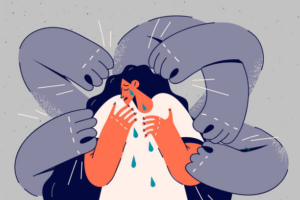
 Each year, communities around the world come together to raise awareness about an often misunderstood and deeply personal struggle, non-suicidal self-injury (NSSI), commonly referred to as self-harm. This month serves as a reminder that self-harm is a serious mental health concern that deserves compassion, understanding and early intervention. Open conversations help reduce stigma and create space for individuals to seek support without shame. Education and empathy can make a meaningful difference, reminding those who are struggling that they are not alone and that healing is possible.
Self-harm can take many forms and is often used as a coping mechanism to manage overwhelming emotions, numbness, trauma, or distress. While some behaviors are widely recognized, others may be less visible but equally concerning. Common forms of self-harm include cutting, burning, scratching or picking at skin, hitting or banging oneself, interfering with wound healing, hair pulling with intent to cause harm, ingesting harmful substances without suicidal intent, restricting breathing, extreme risk-taking behaviors meant to cause harm and disordered eating behaviors used as self-punishment. Regardless of the method, self-harm is typically an attempt to regulate intense emotional pain not a desire for attention. Understanding this distinction is critical.
Adolescents and young adults have the highest rates of NSSI compared to other age groups. Supporting a teen who engages in self-harm can feel frightening and overwhelming. However, calm, informed and compassionate responses can significantly reduce shame and secrecy.
First, regulate yourself before responding. Teens are more likely to open up when they feel emotional steadiness rather than panic or anger. Lead with compassion instead of punishment. Avoid shaming language or ultimatums. Statements such as “I’m really glad you told me” or “Help me understand what this has been like for you” foster safety and connection.
Listen more than you speak. Reflect back what you hear to validate their experience. Avoid demanding immediate promises to stop, as this can increase pressure and lead to concealment. Instead, focus on identifying triggers and building safer coping strategies together.
It is also important to gently assess safety for anyone who engages in NSSI. Asking directly whether the behavior is about coping or suicidal thoughts does not increase risk, it clarifies it. When in doubt, seek professional support early. Licensed mental health professionals trained in NSSI can assess underlying concerns such as depression, anxiety, trauma, or emotional regulation difficulties. Evidence-based treatments such as Cognitive Behavioral Therapy (CBT) and Dialectical Behavior Therapy (DBT) are often effective.
Practical safety steps may include securing medications or sharp objects and increasing supervision during vulnerable times. These measures should be framed as protective rather than punitive. Work collaboratively to identify triggers, such as academic stress, social conflict, late-night isolation, or social media exposure and explore healthier alternatives. Safer coping options may include holding ice, journaling, art expression, physical activity, breathing exercises, or other grounding strategies. What works will vary and experimentation is part of the process.
Strengthening emotional vocabulary can also be powerful. Many individuals with NSSI struggle to name what they are feeling beyond “fine,” “mad,” or “sad.” Helping your loved one articulate more specific emotions reduces internal pressure. Reinforce their strengths consistently and remind them that self-harm is something they are struggling with not their identity.
Interventions like maintaining regular, low-pressure connection through shared meals, having brief check-ins, or simple spending time together can help a much helpful support. Remember, consistency builds trust. Take all incidents seriously, even if they appear minor, as self-harm signals emotional distress that requires care. Finally, caregivers should seek support for themselves when needed. Supporting a struggling teen or adult with NSSI can be emotionally draining and no one should carry that alone.
Seek urgent help if:
- Injuries are severe
- There are signs of suicidal intent
- Your teen or adult has a plan or access to lethal means
- Call or text 988 for the Suicide & Crisis Lifeline. Local emergency services or crisis lines can provide immediate support.
Together we can support individuals who struggle with NSSI with more awareness, intentional consistent check-ins and compassionate care. If you or someone you know is struggling with self-harm, know that you are not alone and that help is available. Our EAP team is here and ready to support you. You can reach out to us at 518-465-3813 to connect with our intake team, who can help you set up an appointment.
By: Meryl Tremblay, LMSW, EAP Counselor