
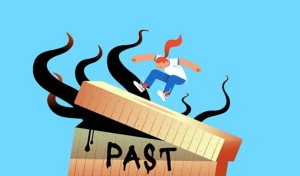
 Nightmares that interrupt sleep and unwanted flashbacks that bring back the same scenario. Avoidance of relationships, items and activities that are reminders of those painful moments. Feelings of shame and fear take over as anxious thoughts cycle in the mind. These are some of the symptoms of individuals with Post Traumatic Stress Disorder (PTSD) experience consistently. In the U.S., approximately 13 million adults live with this disorder, but despite the large population, many individuals with PTSD often feel overlooked. For this reason, June is dedicated to Post-Traumatic Stress Disorder Awareness Month to highlight the experiences of PTSD.
According to the Diagnostic and Statistical Manual of Mental Disorders, PTSD occurs after an individual has witnessed, experienced, or had repeated exposures to an event that was traumatic, threatened death, serious injury, or sexual violence. Common events that cause PTSD are physical attacks, car accidents, or sexual abuse. However, some traumatic events are less commonly recognized as causes of PTSD like childbirth or surgeries.
People with PTSD are often battling symptoms that affect their everyday lives. For example, physical symptoms include severe migraines, persistent fatigue, extreme pain with unknown causes, disrupted sleep, tremors, restlessness, and difficulty breathing. A person may fail to recognize these signals from the body, indicating PTSD, leaving the disorder to go untreated.
The presence of these symptoms becomes a daily burden that interferes with many areas of life, particularly in the workplace. For instance, employees who struggle with PTSD may be more hypervigilant to their environment and coworker interactions. This can lead to a lack of trust in workplace relationships, which hinders communication. In addition, workers may avoid meetings or certain tasks out of fear of the traumatic event. There also might be an increase in verbal outbursts of anger due to past trauma. These symptoms make it more difficult for these employees to be productive at work, leading to additional stress. Any individual can experience trauma and symptoms that develop into PTSD, so if these symptoms align closely with you, here is an attached screening (not a diagnostic tool) to help consider if you should seek further diagnosis.
This is why it is beneficial to explore how individuals cope with PTSD to help offer support. Trauma disrupts the body systems, so coping usually involves individuals bringing the body back to normal functioning. These skills include meditation, box breathing, progressive muscle relaxation, grounding through the five senses, or shifting one’s environment by spending time walking in nature.
Coping also includes decreasing the mental strain that PTSD brings. This involves understanding and reframing the trauma by talking with another person. This is often done through Cognitive Behavioral Therapy or Eye Movement Desensitization and Reprocessing (EMDR). In addition, engaging in an enjoyable activity in the moment can help shift one’s focus from the traumatic event. Here is a list of other coping skills to use or suggest to others with PTSD.
Living with PTSD can come with feelings of fear and shame that can cause isolation; however, Capital EAP has counselors who are willing to walk with you through your trauma. If you find yourself feeling these symptoms or want more tools to help manage PTSD, reach out to 518-465-3813 to schedule an appointment.
By: Judeson Luctamar, MHC Intern