
 Since 1988, October celebrates National Disability Employment Awareness Month (NDEAM). This tradition seeks to recognize and advance the unique identity that individuals with disabilities carry with them in the workplace. This population is often overlooked, even though individuals with disabilities are more common than you think. According to recent disability employment data, the labor force participation rate for people with disabilities is around 40%, meaning many individuals with disabilities are working or actively seeking work. That is why this year, NDEAM seeks to empower individuals with disabilities by having the theme of “celebrating the value and talent” that individuals bring to workplace settings. This article will aim to explore how we can empower and equip ourselves to honor the lives of these individuals.
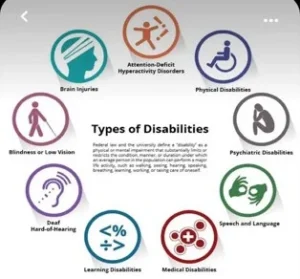
First, empowering individuals with disabilities starts with understanding what disabilities are. According to the CDC, a disability is any condition of the body or mind that makes it more difficult for the person with the condition to do certain activities and interact with the world around them. Often, when we think of disabilities, we may recognize someone in a wheelchair or a missing limb. These are recognized as visible disabilities; however, disabilities are vaster than what we can see. For example, there are learning disabilities like dyslexia or neurological disabilities like epilepsy which are invisible. See the attached graphic for more information.
Understanding the different types of disabilities can help us expand our preconceived image of what employees with disabilities look like, which allows us to be more aware of their experience. These experiences often include:
- Immense anxiety: due to judgment from others
- Low self-esteem: from others underestimating abilities
- Isolation: from being treated differently
Despite the various challenges employees with disabilities face, there are significant contributions that these workers provide that often go unrecognized. For example, many of these employees develop problem-solving abilities, adaptability, and a higher level of resilience due to the nature of navigating life with disability. This allows them to bring creative and out-of-the-box solutions to the working environment, often yielding positive outcomes. As a manager and / or coworker, it is important to see the strengths these employees supply to combat the stigma they face.
Empowering and honoring these employees looks like creating an inclusive environment. This begins by focusing on the small interactions and conversations we have with them in the workplace. For example, when offering support, we can emphasize autonomy for the employee. This looks like asking an open question that removes the assumption that we know what they need. We can ask:
- “How can I support you today?”
- “What do you need from me right now?”
- “What works best for you?”
These example questions help empower them to choose how they want to be helped by emphasizing that they know themselves best.
In addition, seeing an individual with a disability as a part of who they are instead of their entire identity can also be helpful in supporting them. For example, you can ask:
- “What are the most important parts of your story?”
- “What are the most important aspects of your identity?”
- “What are your strengths?”
These questions emphasize having disabilities as a part of human diversity rather than their entire identity. Attached is a link that gives more examples of inclusive language to help with conversation: https://www.ungeneva.org/sites/default/files/2021-01/Disability-Inclusive-Language-Guidelines.pd
Whether you actively engage individuals with disabilities or have a disability yourself, Capital EAP is here to support you in getting the tools to be inclusive and empowering yourself and others. Feel free to call our intake team at 518-465-3813.
Written by: Judeson Luctamar, MHC Intern