
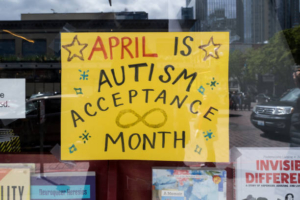
 Each year, communities around the world come together to foster understanding, inclusion and support for individuals with autism. The key word to note in the title of this article is acceptance, as this emphasizes true inclusion, support and valuing the diversity of individuals with autism. This month’s mentor article will highlight ways workplaces can be truly supportive and inclusive of individuals with autism.
Autism is a unique disorder, in that no two individuals with autism are the same. People with autism can experience a wide range of traits, abilities and support needs. This means that each person’s combination of strengths, challenges and ways of perceiving the world is unique. The spectrum is not a straight line from “mild” to “severe”. Rather, it is better understood as a unique combination of strengths and challenges, featuring different skills and needs for each individual. The spectrum represents a neurodevelopmental condition that looks different in each individual, this condition may change over time and require different levels of care and support throughout the individual’s life. New research has also come out using a visual representation called the “autism wheel” that offers a more holistic understanding of the autism spectrum.
For more information on the autism wheel click the link below:
According to research taken from the Autism Society:
- Up to 85% of Autistic individuals with a college degree are unemployed or underemployed.
- Currently, only 30% on average disclose that they are Autistic to their employer.
- Businesses employing Autistic individuals report increased innovation and problem-solving capabilities, owing to the diversity of thought in their teams.
- According to the U.S. Bureau of Labor Statistics, only about 19.3% of persons with a disability were employed in 2020.
- About 1 in 31 children in the U.S. is diagnosed with an Autism Spectrum Disorder. As these children grow and enter the job market, companies that embrace neurodiversity are likely to have a competitive advantage.
- Autistic adults typically earn 40% less than their peers with other disabilities.
Many traditional workplaces fail to accommodate the needs of employees with autism that are commonly experienced. Individuals with autism are often reluctant to disclose their diagnosis due to fear of negative repercussions and workplace discrimination. Having the skills and resources necessary to navigate disclosing a diagnosis can empower individuals to advocate for themselves and have access to supports available within the workplace.
For the individual potentially disclosing a diagnosis, a good starting point is to check in with yourself to assess your strengths and weaknesses. Curate a list to rule in and rule out, what potential workplaces would be a good fit. This list can also include preferences related to work scheduling, the job environment, will co-workers / supervisors be supportive in this workplace and your willingness to spend more time in school if the position requires it.
Workplaces can and should adapt practices to support an inclusive workplace and management styles that accept, promote and support individuals with autism. Creating a truly effective workplace means recognizing and valuing the full spectrum of human experience, including individuals with autism.
Diversity is not just about representation, it’s about actively fostering an environment where different ways of thinking, communicating, and problem-solving are respected and embraced. This includes promoting accessibility, encouraging flexible communication styles, and providing opportunities for growth and success tailored to diverse needs. By embracing neurodiversity, we not only uphold our values of equity and respect, but also enrich our organization with innovation, creativity, and perspectives that drive meaningful progress for everyone.
Together we can create a more inclusive and accepting workplace culture for everyone to be celebrated and appreciated as they are. Individuals with autism have a truly unique experience of the world and when accepted and supported can showcase their unique strengths and talents they bring to the workplace. If you or someone you know is interested in learning more about ways promote autism acceptance in workplace our EAP team is here and ready to help. You can reach out to us at 518-465-3813 to connect with our intake team, who can help you set up an appointment.
By: Meryl Tremblay, LMSW, EAP Counselor